When you’re buying homestead land in the U.S., you’ll need to consider these eight factors:
- Geographic region
- Access to USDA grants, easements and assistance
- Usage
- Arable land
- Water
- Wood
- Access
- Development
Geographic Regions for Homesteading
When choosing a homestead site, the first consideration is geographic region.
You might have a limited region for homesteading (e.g., you only want to live in Alaska or New Mexico). However, based on your sustenance needs, you might choose to live in a specific part of the state.

Check your USDA growing zones to learn what your growing season is in your desired location(s). Check out what crops will grow there. Moving to a part of the state with an extra 30 days of growing season can be a huge help.
If you’re willing to look at different parts of the country for your homestead, write a list of what you’ll be doing on the land for sustenance. That primarily means growing a garden, raising animals, keeping bees or doing some farming to grow crops you can sell.
If you want to grow cabbage forget Arizona. If you want to grow okra, forget Alaska. Yes, you can grow anything anywhere if you have a hothouse. But if you need to feed yourself with your farm or garden, plant what grows best in that area.
Will you be raising chickens or goats or alpacas? Consider the climate.
If you’ll be relying on wood for cooking and heating your home, consider the seasons. You’ll need more trees if you live in a cold climate, which will affect the acreage you’ll need.
Homestead Land Uses
Another important task when choosing homestead land in the U.S. is to write a list of the ways you’ll be using your property. That might include food growing, hunting, fishing, beekeeping, raising livestock and small-scale commercial farming.
Once you write your list, you’ll follow most of the steps outlined above when buying homestead land in the U.S. This should include looking at USDA growing zones and crops.
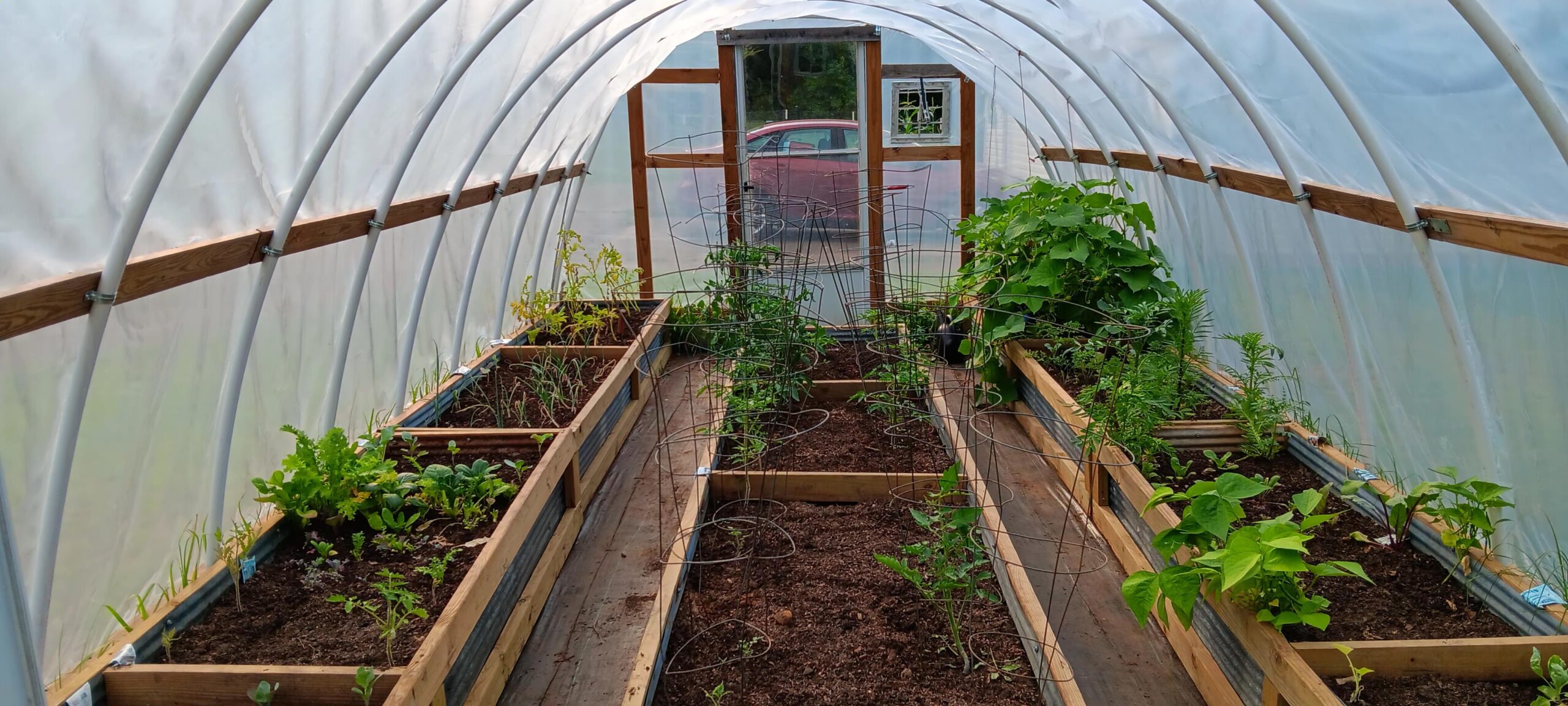
Make sure about the zoning of any property you buy. It should be zoned agricultural if you want to grow food and raise livestock. Some rural properties are in unincorporated areas with no zoning. NOTE: get it in writing from at least a county authority that you can have specific animals on your property.
I was told I could have “a small garden” on a piece of property I was looking at, but the county wouldn’t say how big “small” was. Just because you’re zone for livestock doesn’t mean you can have chickens, goats, pigs and horses. I found one property that was zone for horses, but not chickens or goats. If you want pigs, make sure that’s OK, too.
Your property doesn’t need to be zoned commercial if you want to grow and sell food – but you’ll most likely need to be zoned agricultural. If you live inside a municipality, you’ll probably need to get a business license (about $50 – $100 per year). If you plan on having customers come to your property (such as CSA customers or people coming to your farm stand), that might require a commercial permit.
Farm Land for Homesteading
If you’ll need to grow food on your land, make sure the soil will support the amount and type of crop growing you’ll want to do. Get free assistance via a visit from your local FSA folks.
If you move to Georgia, for example, beware of the state’s red clay. If possible, visit any site you’re considering buying, take soil samples and have them analyzed. Yes, you can buy topsoil for raised garden beds and use compost, but you’ll make your life easier if you buy a homestead that has good growing soil.
Plan on about 1/16 of an acre per person for a year’s worth of food. Plan on more if you’re a newbie gardener who most likely won’t get maximum yields from your acreage the first couple of years.
Remember, you’ll only be able to eat directly from your garden for a few months. You’ll need to put up many jars of tomato sauce, pickles, tomato soup, refried beans, tomato juice, jams, fire roasted peppers, jellies, diced tomatoes, summer salad, succotash, sauerkraut and the many other fruits and vegetables you grow.
If you can freeze fruits and vegetables, that’s even better.
Do you plan on eating a primarily plant-based diet, or eating lots of fish, game, fowl and eggs? That will affect how much food you need to grow.
Get your soil tested (it’s pretty inexpensive – often $50 or so) and find out what you need to do to get your land (and your food) certified organic.
Water Needs for Homesteads
Make sure you’ll have at least two independent water sources if you want to be truly independent. Any time you’re choosing homestead land in the U.S., your options can include public water, community or water (shared well among a group of local residents). You can also have a well, rain water harvesting system or nearby stream, river or lake. Make sure you know how to purify water if you plan on drinking from a stream, lake, river or other similar source.
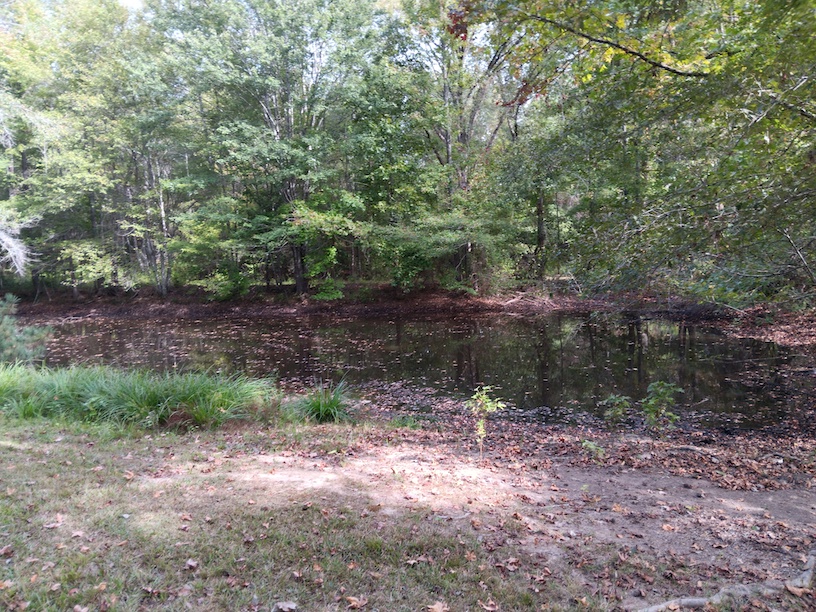
Know what’s upstream from you if you plan on using stream or river water or pond. Find out if your pond is spring-fed or filled by rain to see how much you can take out without harming it and its inhabitants.
Try to calculate how much water you’ll need per day for cooking, personal hygiene, home cleaning and clothes cleaning. Try to determine the maximum number of gallons you’ll need on peak days so you’ll know how much water you’ll need to store or carry on those days, especially in cold or rainy weather.
Don’t forget your water needs for your garden or farm and your animals.
What if your well fails? You should have a rain barrel backup system with filtration and pump. What if it doesn’t rain for a month? You should be able to store water pulled from your well in a large water tank.
Homesteads and USDA Programs
Would you like a free greenhouse? Money for livestock fencing? A pond for watering your horses, cows, goats or sheep? Free technical assistance from local farmers and land experts?
Find out if your property can be certified by the Farm Services Agency (it’s pretty easy). If so, find out if you qualify to apply for EQIP grants.
Wooded Acreage and Homseteads
Will you need wood to build your home, as well as future outbuildings, such as a shed, outhouse, garden beds, animal housings, fence posts or guest cabin?
Once you know you’ll have enough building wood, calculate the amount of wood (in cords) you’ll need for heating and cooking for one year. This will depend on the square footage of your cabin, how well sealed it is, your seasons, your type of heating (wood stove or fireplace), and the amount of cooking you’ll do.
You can find methods for estimating your wood needs with a quick Google search. If you plan on being on your land for many years, estimate how many trees you can plant each year and when you’ll be able to harvest them for fire (not building) wood.
When choosing homestead land in the U.S., remember, all trees aren’t created equal. Know which type(s) of trees you’ll have on your land, what types you can grow the quickest and how quickly they will burn.
If you don’t plan on cutting down forest land, contact your local Farm Services Agency to see if you qualify for an easement check each year from the USDA.
Clear Access to your Homestead Property
This might be the most important, yet least-considered factor in choosing homestead land.
Just because you can drive your vehicle on and off your property today, will you be able to do so in the years to come?
One couple invested their life savings into a homestead, relying on the word of their neighbor that they could use his road to come and go. After a disagreement with the neighbor, they found he had put a gate on his road and they were trapped.
The government would not allow them to come and go via government land. They couldn’t afford to come and go via helicopter and so lost their homestead and life savings.
You need to determine if the land you buy will come with access to come and go in perpetuity.
That means don’t rely on a handshake or a low-cost easement from a neighbor if the easement has an out clause or end date. And what if that neighbor dies or sells his land and the new landowner removes the road?
What if that government road you relied on is part of land that gets leased to a logging or mining company or cattle rancher?
What if a Democratic presidents changes the status of the federal land near you and makes it more protected, or a Republican president opens it up for commercial lease?