No matter what type of weight loss program people use (diet, exercise or a combination of both), or what weight loss system they use (Atkins, Zone, South Beach, Weight Watchers), most or all of the weight they lose often comes back within six months to a year. Understanding why the weight you lose comes back will help you take pounds off and prevent a rebound.
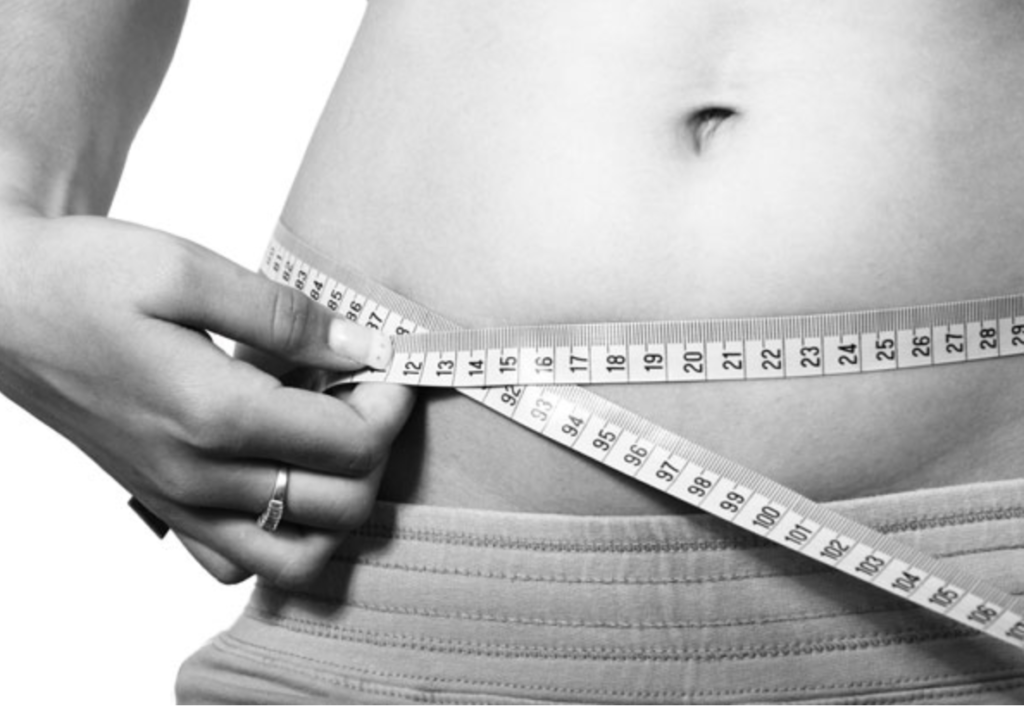
If you’re like most people, at some point in your life, you’ve gotten on an exercise kick, started reducing your calories, signed up for a gym membership, or followed a commercial diet. You probably lost some weight, but it eventually came back.
Why does this happen so often?
Your Body Fights Your Weight Loss
Your body is a wonderful, self-healing mechanism. If it thinks you’re in trouble, it adjusts its processes to try and help you. For example, if you feel muscle soreness, that’s a sign your body is telling you to take it easy. When you sprain your ankle, it swells. That’s because your body is sending additional blood, oxygen and nutrients to the injury to try and heal it. If you cut yourself, your body clots the blood to form a scab to protect the wound.
When you crash diet or exercise to an extent that you have a significant, ongoing calorie deficit that’s very different than what you’re used to, your body thinks something’s wrong. Your metabolism might slow down so you burn fewer calories. There’s a theory that your body has a “set point” it wants to maintain – at least for the short term.
Once you end your months of exercise or go back to your former calorie level once you’ve lost your desired weight, your body might still reduce your metabolic rate from your old levels until you get back to or close to your former weight. In some cases, you might slingshot back past your former weight. This is the key reason why the weight you lose comes back.
Slow and Steady Wins the Race
If you try to lose a significant amount of weight quickly, you’ll probably have to drastically cut your calories, exercise like a fiend for several months, or do both. Most people can’t keep that up all year, or for years on end.
Many people believe that once they’ve done the work to get to their desired weight level, they can stop exercising or dieting and go back to their previous habits (with some reduction in calories) and they will stay at their new weight. They know they won’t lose any more weight once they stop exercising or dieting, but once the weight is gone, it will stay gone as long as they don’t overeat, right?
Wrong.
While keeping the weight you lose from coming back doesn’t require a hard exercise program or continuing a restrictive diet, it does require weight management and maintenance. That means that you need to continue to get regular exercise and manage your calories.
Signs You’re In Trouble
If you dread heading to the gym, can’t stand jogging or can’t wait until you don’t have to do your current exercise program anymore, your weight is probably going to come back. That’s because you’re going to stop exercising in a way that’s too drastic to maintain your current weight.
Find an exercise you enjoy doing (or better yet, several) and you will be more likely to lose weight and keep it off. Using less-intense workouts might take longer to lose weight, but you’ll be more likely to keep exercising and keep your weight from coming back.
If your diet is boring, if you have to use “willpower” to fight hunger pangs each day, and you find yourself craving certain foods you “can’t” eat on your weightloss program, you’re likely going to eventually blow off that diet. Learn to eat healthier versions of your favorite foods – read our post on proactive snacking and follow an eating plan that provides you with enough calories to fuel your daily activities and provide the nutrients you need for good health.
In short, whatever exercise plan you choose and diet habits you decided to pursue, plan on following those for the rest of your life. If you stop the exercise and eating routines you used to lose weight, your body is likely to react by adding back the pounds once you go back to a more sedentary, calorie-laden lifestyle.
The good news is, you can bike, swim, skate, ace, dance or walk yourself into shape while eating healthy, satisfying meals you love, because you’ll stay active and eat right the rest of your life.