Is there a difference between barbecuing and grilling, and do you really need to know the difference?
Absolutely – and the different techniques you use for each will produce varied and delicious results for your favorite foods. If you’re like most people, you’ve probably grilled but have never really barbecued. A quick review of the techniques for each will help you incorporate both cooking styles into your menus and get the best of both worlds.
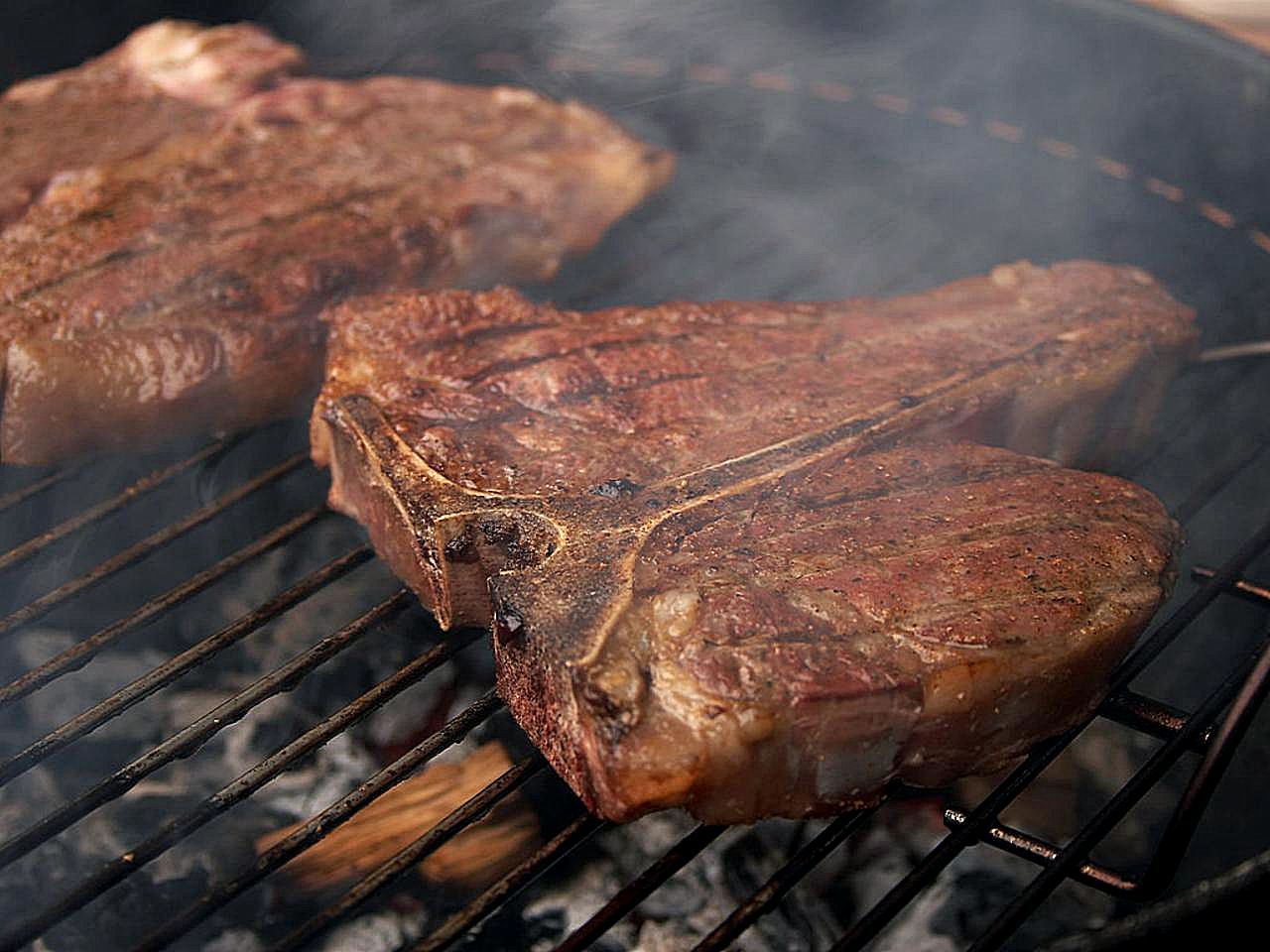
Barbecuing vs. Grilling
In a nutshell, grilling is cooking with direct heat, while barbecuing uses indirect heat. If you put a steak directly over the coals on your “barbecue,” you’re actually grilling. If you put ribs off to one side of your kettle, letting the heat inside cook the meat over a longer period of time, you’re barbecuing.
Grilling uses higher temperature and shorter cook times, while barbecuing requires lower temperatures and longer cook times. Think “low and slow” when barbecuing. Steak, fish and chicken pieces are good for grilling. Pork, whole chickens, ribs and roasts are better for barbecuing.
Barbecuing Tips
- Marinate your proteins using a commercial marinade or one you make with spices, soy sauce, or other mixture with a fruit acid. Or, apply a spice rub.
- Let your meat or poultry get to room temperature before cooking.
- Place a dish of liquid, such as water and/or apple juice, in the bottom of the barbecue.
- Pile your coals to one side of the grill, or let them get to a low enough temperature that they won’t sear the meat if it’s placed directly above the coals. Use the recommended setting for barbecue on a gas grill and place your protein on the upper rack.
- Add wood chips to your liquid pan or place directly on the coals to create smoke.
- Go shopping, watch TV, clean your house or otherwise ignore your barbecue for hours, depending on what you’re cooking. The only exception is if you’re occasionally basting your ‘que.
- Remove the meat and let it sit for 30 minutes or longer, depending on your recipe instructions.
Grilling Tips
Grilling is the faster way to cook. You use this on thinner proteins, ones that you want rare or medium rare, or when you cook quick-finishing items such as fish or sliced vegetables. For the best results:
- Let your items get to room temperature so they’ll cook evenly.
- Use tongs, not tines, to pick up and turn meats so you avoid poking them and letting the juices run out
- Scrape your grill after it’s warm, then grease it with a paper towel dipped in cooking oil before putting food on it.
- Place your food on the grill and leave it alone. Pressing it can squeeze out juices and make it tougher.
- Sear meat on one side for a minute or two, then flip (with tongs) and leave it alone.
- Remove the meat when it’s done (use a thermometer to get the recommended cooking temperature).
- Let the meat sit for five or more minutes for smaller items, and up to 15 minutes for thick steaks. This allows the juices to absorb back into the meat, rather than running all over your plate (which happens when you cut into meat immediately after cooking).
- Keep a spray bottle of water handy to deal with flare-ups.
- Try grilling veggies, such as corn, zucchini or romaine lettuce wedges for a grilled Caesar salad.